
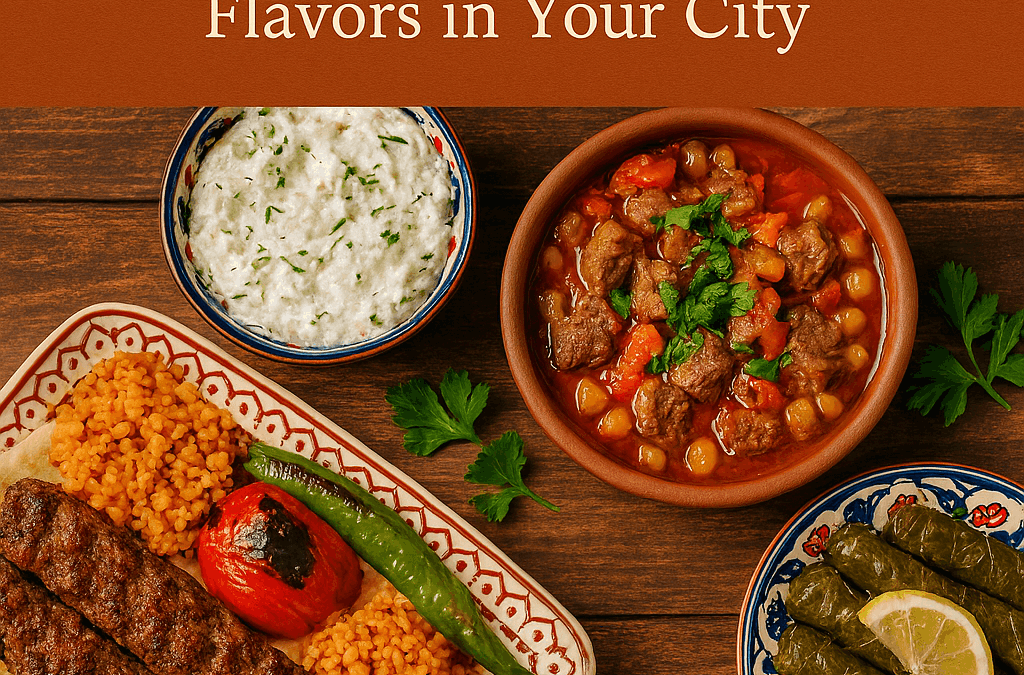
Food is one of the most powerful ways to explore a culture. Every cuisine tells a story about the people, traditions, and history behind it. Turkish cuisine is a perfect example of this. Known for its rich flavors, fresh ingredients, and centuries-old cooking techniques, Turkish food offers a unique dining experience that continues to attract food lovers around the world.
From sizzling grilled meats to freshly baked bread and flavorful mezze plates, Turkish cuisine is both comforting and exciting. Many diners today search for a Turkish restaurant around me when they want a meal that combines authenticity, variety, and a warm dining atmosphere.
The Rich History Behind Turkish Cuisine
Turkish cuisine has developed over hundreds of years and reflects the influence of many civilizations. The Ottoman Empire played a significant role in shaping the culinary traditions that are still enjoyed today. As the empire expanded across Europe, the Middle East, and Asia, it absorbed flavors, ingredients, and cooking styles from many cultures.
The result is a cuisine that is incredibly diverse. Turkish dishes combine Mediterranean freshness with Middle Eastern spices and Central Asian cooking traditions. This fusion created a food culture that is both sophisticated and deeply rooted in tradition.
Meals in Turkish culture are more than just nourishment. They are moments of connection, hospitality, and celebration. Families and friends gather around large tables filled with different dishes, sharing food and conversation for hours.
Signature Dishes That Define Turkish Food
Turkish cuisine is known for its incredible variety. From grilled meats to vegetable dishes and desserts, the menu often offers something for every taste.
One of the most iconic elements of Turkish food is kebabs. These grilled meat dishes are prepared using marinated lamb, chicken, or beef that is seasoned with herbs and spices. Adana kebab and shish kebab are among the most popular varieties, known for their smoky aroma and tender texture.
Another staple is shawarma-style meat that is cooked slowly on a vertical rotisserie. Thin slices of meat are shaved off and served with rice, bread, or wrapped into sandwiches.
Turkish cuisine also features delicious vegetarian options. Dishes like stuffed grape leaves, lentil soup, and eggplant-based recipes are beloved by diners who enjoy plant-based meals.
For many people exploring Turkish cuisine, visiting a Turkish restaurant around me is the perfect way to experience these authentic flavors without traveling thousands of miles.
The Importance of Fresh Ingredients
Fresh ingredients are at the heart of Turkish cooking. Chefs rely on vegetables, herbs, grains, and high-quality meats to create balanced dishes that highlight natural flavors.
Tomatoes, cucumbers, parsley, onions, and peppers appear frequently in salads and side dishes. Olive oil is widely used for cooking and dressing vegetables, adding richness without overpowering the dish.
Spices are used thoughtfully rather than heavily. Paprika, cumin, oregano, and sumac add depth and aroma while allowing the main ingredients to shine.
Freshly baked bread is another essential element. Turkish flatbread and pita are often served warm, making them perfect for dipping into sauces or wrapping grilled meats.
This focus on freshness is one reason Turkish cuisine feels both satisfying and nourishing at the same time.
The Mezze Tradition: Small Plates Full of Flavor
One of the most enjoyable parts of Turkish dining is the mezze tradition. Mezze refers to a collection of small appetizer-style dishes served before the main course.
These plates allow diners to sample a wide range of flavors and textures. Popular mezze dishes include hummus, baba ganoush, yogurt dips, olives, and stuffed vegetables.
Sharing mezze is a social experience. Guests gather around the table, passing dishes and tasting different combinations. It creates a relaxed atmosphere where food becomes a centerpiece of conversation.
Many diners who search for a Turkish restaurant around me are drawn to this style of dining because it encourages sharing and exploration.
Turkish Street Food: Bold and Authentic
Street food is another exciting part of Turkish culinary culture. In cities across Turkey, food vendors prepare quick and delicious meals that are packed with flavor.
Doner kebab is perhaps the most famous example. Thin slices of roasted meat are served in warm bread with vegetables and sauces. It is simple, satisfying, and incredibly popular.
Another beloved street food is lahmacun, often called Turkish pizza. This thin flatbread is topped with seasoned minced meat, herbs, and spices before being baked in a hot oven.
Simit is a sesame-covered bread ring commonly eaten for breakfast or as a snack. It is crispy on the outside and soft on the inside, often paired with cheese or tea.
These street foods showcase the creativity and simplicity that define Turkish cuisine.
The Role of Hospitality in Turkish Dining
Hospitality is a core value in Turkish culture. Guests are treated with warmth and generosity, whether they are visiting someone’s home or dining at a restaurant.
Meals are often served in generous portions, and hosts take pride in ensuring everyone at the table feels welcome and satisfied. Tea and desserts are commonly offered at the end of a meal, extending the dining experience.
Restaurants inspired by Turkish traditions often recreate this same welcoming atmosphere. Friendly service, comfortable seating, and flavorful food combine to create a memorable experience.
For many diners, finding a Turkish restaurant around me is not just about the food. It is about enjoying an environment where hospitality and community are celebrated.
Turkish Desserts: A Sweet Ending
No exploration of Turkish cuisine would be complete without mentioning its desserts. Turkish sweets are famous for their rich flavors and delicate textures.
Baklava is one of the most well-known desserts. It consists of layers of thin pastry filled with chopped nuts and sweetened with syrup or honey. Each bite offers a perfect balance of crispiness and sweetness.
Another popular dessert is kunefe, a warm pastry made with shredded dough and melted cheese, topped with syrup and pistachios.
Turkish delight is another traditional sweet that comes in a variety of flavors such as rose, pistachio, and lemon.
These desserts are often enjoyed with Turkish tea or coffee, creating a satisfying conclusion to a meal.
Why Turkish Cuisine Is Gaining Global Popularity
Turkish cuisine has become increasingly popular around the world, and it is easy to see why. The dishes are flavorful yet balanced, offering both indulgent and healthy options.
Grilled meats provide protein while fresh vegetables and herbs add nutrition and color. Olive oil and yogurt-based sauces contribute richness without making dishes overly heavy.
The cuisine also appeals to people who enjoy variety. From mezze platters and soups to kebabs and desserts, the menu often offers a wide range of options.
Additionally, the communal style of dining makes Turkish meals perfect for gatherings with friends and family.
As more people explore international flavors, Turkish cuisine continues to earn recognition as one of the world’s most satisfying and welcoming culinary traditions.
The Cultural Importance of Turkish Tea and Coffee
No discussion about Turkish cuisine is complete without mentioning the cultural significance of tea and coffee. In Turkey, beverages are not simply drinks served with a meal. They represent hospitality, conversation, and community. Turkish tea is typically served in small glass cups and enjoyed throughout the day, whether during breakfast, after meals, or while chatting with friends. The tea culture encourages people to slow down and enjoy meaningful moments together.
Turkish coffee also holds an important place in social traditions. Prepared using finely ground coffee beans and brewed slowly in a special pot called a cezve, the drink is known for its strong flavor and rich texture. It is often served after meals along with small sweets. Sharing tea or coffee with guests reflects the welcoming spirit that defines Turkish dining and adds a warm finishing touch to the overall culinary experience.
Grilled Specialties That Highlight Turkish Culinary Skill
Grilled dishes are a major highlight of Turkish cuisine and showcase the skill of experienced chefs. Meat is often marinated with herbs, spices, and olive oil before being grilled over open flames. This cooking method locks in flavor while creating a smoky aroma that makes the dishes irresistible. Popular options include lamb kebabs, chicken skewers, and mixed grill platters that combine several types of meats.
Conclusion
Turkish cuisine offers a rich blend of tradition, flavor, and hospitality that makes every meal feel special. From grilled kebabs and fresh salads to sweet desserts, each dish reflects centuries of culinary heritage.
Istanbul Grill brings these authentic flavors to the community with carefully prepared meals and a welcoming dining atmosphere.
Their menu captures the essence of Turkish cooking through fresh ingredients, traditional recipes, and generous hospitality.
Visit Istanbul Grill to experience a memorable taste of Turkey and enjoy dishes crafted with passion and authenticity.