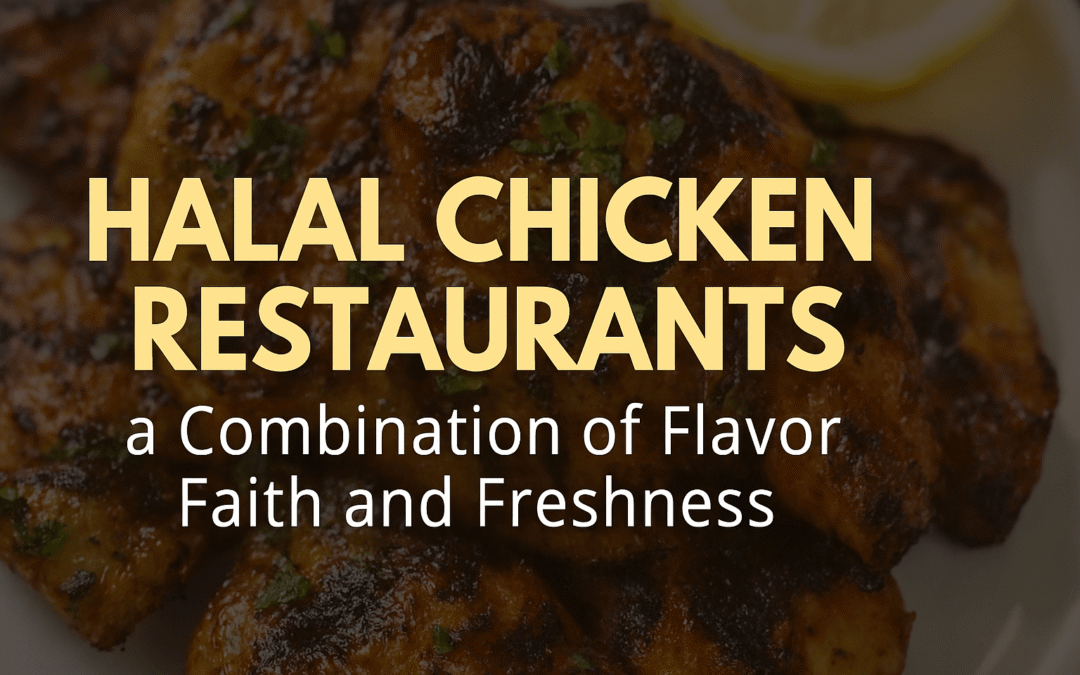
Halal food has grown to be a major culinary trend worldwide in the last decade, with halal chicken at the forefront. The concept of a halal chicken restaurant has crossed the religious circle and attracted epicureans looking for quality, flavor, and ethical cooking. No matter if it is a sizzling chicken platter, juicy shawarma, or well-spiced kebab, halal restaurants are now serving a huge and varied audience looking for both authenticity and flavor.
The Arabic term “halal” is translated to “permissible”, which means the food is made following the Islamic dietary laws. That involves certain rules about how the animals are brought up, sacrificed, and processed. But halal food is not just a matter of religious practice; it’s about purity and quality. Halal restaurants, which are expanding their presence all over the U.S., have set a higher standard of freshness and care in food preparation for the main market.
What is the distinguishing feature of a Halal Chicken Restaurant?
The restaurant serving halal chicken is unique due to its commitment to ethical sourcing and culinary artistry. Feeding of birds, seasoning, and cooking all come under the umbrella of halal, thus making the food extraction, creation, and consumption not only for the people but also for a greater purpose, as they have faith in religious grounds, but also it is clean, fresh, and delicious.
The most appealing thing about halal chicken restaurants is their cut-throat honesty. Customers are well aware that the food they are getting is not only good for them but also made in the right way with proper ethics. The same commitment is one of the factors that have turned non-Muslim people, who prefer clean and ethical eating, into halal food lovers.
Moreover, halal cooking is often associated with vibrant and fresh ingredients, spices that are ground by hand, and slow cooking. If it is a grilled chicken platter or spicy curry, all these processes take the natural quality and tenderness of the meat, a thing that food lovers won’t compromise on, and hence, appreciate everywhere.
The Art of Halal Chicken Preparation
The precise and careful steps taken for cooking are the hallmark of a halal chicken restaurant. The chicken goes through a process of marination for hours in blends of strong spices: garlic, cumin, coriander, paprika, turmeric, and yogurt, before it is grilled, roasted, or cooked into delicious perfection. The marinating process not only imparts flavor but also takes the meat, whereby each bite is juicy and gratifying.
In traditional South Asian and Middle Eastern cooking, halal chicken is often cooked in a tandoor (a traditional clay oven) or directly over charcoal so as to deliver the deliciously smoky flavor.
The Global Spread of Halal Chicken Restaurants
The appeal for halal chicken eateries has increased exponentially worldwide, particularly in urban cities with diverse populations. New York, Chicago, and Houston in the United States have turned into hotspots for halal food, ranging from food trucks to upscale dining.
This growth has also been driven by younger generations of Muslims who are looking for contemporary, relaxed dining experiences that fit their dietary principles. Social media has greatly promoted these establishments, with food bloggers and influencers highlighting the range of halal food to millions of consumers.
Interestingly enough, a lot of halal chicken eateries are fusing old-school recipes with contemporary trends, adding fusion food such as halal chicken tacos, wraps, and even pizzas. This innovative step is making halal food attractive to wider crowds without losing its authenticity.
Why Halal Chicken Appeals to Everyone
One of the largest reasons halal chicken is so well-liked is that it appeals to everyone. Whether or not someone is religious, consumers enjoy the quality, cleanliness, and flavor that is involved in halal cooking. Because halal food is all about natural flavor and freshness, it tends to be lighter, healthier, and more wholesome than other fast foods.
The process of cooking also eliminates any trace of blood or toxic additives from the meat, which makes the product cleaner and more natural to consume. This commitment to purity appeals to the increased world demand for organic and ethically produced foods.
For health-conscious diners, halal chicken offers a delicious balance; it’s protein-rich, low in fat when grilled, and packed with spices known for their health benefits. As a result, the halal chicken restaurant model has successfully evolved from a niche market into a mainstream dining trend.
Exploring the Variety: What’s on a Typical Halal Chicken Menu
When you walk into a halal chicken restaurant, you’re introduced to a universe of flavors and colors. The menu tends to mix Middle Eastern, South Asian, and Mediterranean, producing a varied yet harmonious dining experience.
Headlining the list are timeless favorites such as Chicken Shawarma: thin layers of chicken marinated in spices and stacked on a vertical rotisserie. Paired with rice, salad, or warm pita bread, shawarma is comforting and delicious.
Then there’s Chicken Tikka, a much-loved South Asian dish in which boneless chicken pieces are marinated in yogurt and spices and then grilled. It is a smoky, spicy food that goes well with naan or basmati rice.
Other popular favorites are Chicken Biryani, a saffron and spice-flavored layered rice dish; Chicken Seekh Kababs, minced chicken on skewers, charcoal-grilled; and Chicken Karahi, a curry made with tomatoes cooked in a deep wok-type pan.
Combo platters that include rice, salad, hummus, and sauce such as garlic aioli or tahini are also found in many restaurants. Such combinations make for not only tasty but wholesome and balanced halal chicken eating.
Halal Chicken in American Cuisine
The idea of a halal chicken restaurant has carved out its own niche in American cuisine. What was once a restaurant catering solely to Muslim populations now draws patrons from all over. Foodies adore the taste, and others welcome the healthier, ethical implications of eating halal.
The “Halal Guys” food cart in New York City is a fantastic example of this metamorphosis. It went from a humble street stand to a worldwide franchise, demonstrating that halal fare can hold its own against any traditional fast-food company. After their success, countless small businesses throughout the nation opened their own halal chicken restaurants, incorporating regional spice and family recipes into the offerings.
In New Jersey, for example, eateries such as Istanbul Grill are favorite gathering places, offering genuine halal chicken fare that combines Middle Eastern and Turkish flavors with contemporary appeal. These are not restaurants, they’re cultural ambassadors.
The Importance of Halal Certification
For any restaurant serving halal chicken, certification is a badge of trust and authenticity. It guarantees customers that the food they consume is of the highest ethical and religious standard. Certified halal meat should be from animals raised humanely, given clean feed, and slaughtered according to Islamic procedure.
This transparency creates customer loyalty and drives a diversified customer base that values the integrity of food. Most halal restaurants actively showcase their certification, and it facilitates customers to make an educated decision.
Certification also guarantees consistency. Whether it is a local or national chain, upholding halal standards ensures that customers will always receive the same quality and authenticity.
The Future of Halal Chicken Restaurants
The future of halal chicken restaurants has never been more promising. With greater exposure to ethical dining and cultural diversity, more and more people are learning to appreciate the delight of halal meals. From fast-casual restaurants to fine dining, halal chicken is leaving its mark on every aspect of the food sector.
Technology is also molding the industry. Restaurants today increasingly utilize online platforms, delivery apps, and digital menus to expand their base. The popularity of food influencers and reviewers has also further boosted the exposure of halal dining, making it mainstream culture.
As food trends around the world change, halal cuisine is no longer only about rules of eating; it’s about sustainability, quality, and community. The shift towards clean, ethically raised food aligns well with the principles of halal eating, so it will only continue to thrive in the years ahead.
Why You Should Try a Halal Chicken Restaurant
If you have not experienced halal chicken yet, now is the perfect time to begin. Eating at a halal chicken restaurant is more than great meals. It’s an experience of culture, taste, and tradition. Every meal is a story of heritage, prepared with love and served with dignity.
From grilled shawarma and spicy tikka to tender biryani and fresh salads, halal chicken menus cater to every palate. Whether you’re dining in or taking out, you’ll find that halal food offers a balance of indulgence and nourishment that’s hard to match.
Plus, with the growing number of halal restaurants in the United States, it’s easier than ever to find one near you. Simply search for “halal chicken restaurant near me,” and you’ll discover a world of flavorful possibilities.
Conclusion:
For those craving authentic, flavorful halal chicken, Istanbul Grill delivers a dining experience that’s both traditional and modern. Their expertly marinated chicken dishes, cooked to perfection, embody the essence of halal cuisine.
At Istanbul Grill, every bite speaks a word of flavor, tradition, and quality. Sizzling shawarmas to expertly grilled kebabs, their offerings speak volumes of passion, authenticity, and unflinching dedication to excellence.